IDS Auto IDS Auto

What Is the Best Semi Trailer Axle Configuration?

Time:2026-10-14 Author:Liam
0%

Choosing the best semi trailer axle configuration requires more than comparing axle numbers. Route conditions, payload weight, tire costs, and loading frequency all influence the right choice. Semi trailer axle configurations explained for logistics efficiency should connect engineering decisions with daily transport realities.

A single-axle trailer may suit lighter regional deliveries and simple operating conditions. Tandem axles usually provide better load support, improved stability, and broader application across general freight routes. Tri-axle designs can carry heavier loads, but they may increase tire scrub during tight turns. Spread-axle trailers distribute weight differently and can improve stability on suitable roads. Lift axles offer flexibility, although their value depends on operating patterns and maintenance quality.

Small details matter. A heavily loaded trailer entering a narrow warehouse yard can expose poor axle selection quickly. Excessive tire wear, difficult cornering, or uneven suspension loading may appear before a major failure. That is useful evidence.

This guide examines how each configuration affects payload distribution, maneuverability, fuel consumption, tire life, and maintenance planning. It also considers refrigerated trailers, flatbeds, dry vans, and specialized transport applications. Manufacturer specifications and regional weight requirements should always be checked before purchase. Conditions vary widely.

Experienced fleet managers often compare service records, not only brochure figures. A configuration that performs well on highways may struggle on construction access roads. That is the uncomfortable part. There is no universal best axle layout. The better answer comes from matching axle design to real routes, actual cargo, and disciplined maintenance.
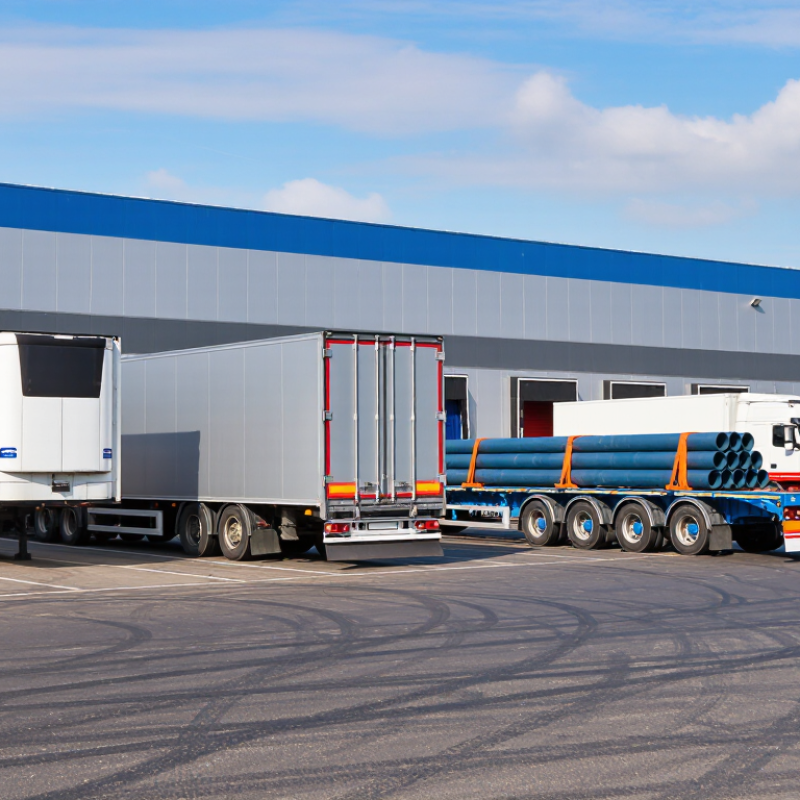
What Is the Best Semi Trailer Axle Configuration?

Semi-Trailer Axle Configurations and Their Main Components

What Is the Best Semi Trailer Axle Configuration?

Semi-Trailer Axle Configurations and Their Main Components

The best semi-trailer axle configuration depends on payload, road conditions, and turning requirements. A single axle suits lighter loads and tight delivery routes. Tandem axles provide better weight distribution and improved stability. Tridem setups support heavier applications, but they add weight, cost, and tire scrub during sharp turns.

Each axle assembly includes an axle beam, spindles, hubs, bearings, brakes, wheels, and tires. The suspension connects these parts to the trailer frame. Air suspension can improve ride control and protect sensitive cargo. Mechanical suspension is often simpler to inspect and repair. Neither option is perfect. Actual performance depends on loading habits and maintenance quality.

During inspections, I check uneven tire wear, hot hub surfaces, loose fasteners, and brake response. A trailer that pulls slightly may have incorrect alignment or uneven loading. Small defects become expensive when ignored. Axle spacing also affects turning clearance and frame stress. More axles do not automatically create a better trailer. The right layout balances legal weight limits, payload demands, maneuverability, and service access. A practical setup should allow technicians to reach brake chambers, bearings, and suspension components without dismantling half the trailer.

How Load Distribution Changes Across Different Axle Layouts

What Is the Best Semi Trailer Axle Configuration?

How Load Distribution Changes Across Different Axle Layouts

A semi trailer’s axle layout changes how weight travels through the frame, suspension, tires, and pavement. A tandem axle group usually spreads cargo across two closely spaced axles. This arrangement offers stable tracking and predictable braking under ordinary freight conditions. However, concentrated cargo near the rear can overload the axle group while leaving the front section lightly loaded. The trailer may look level, yet the actual distribution can still be poor.

A spread-axle layout places more distance between axle lines. It can support heavier loads over a wider footprint and reduce pressure on individual tires. The trade-off appears during tight turns, where tire scrub increases and suspension components experience greater stress. Tri-axle arrangements provide even more capacity, but they demand accurate loading and careful weight checks. More axles do not automatically mean better balance. They may create unnecessary resistance when the cargo is light.

Measure the kingpin and axle-group loads after loading, not before. Small shifts can matter. A pallet moved one meter may noticeably change the front-to-rear balance. Load height matters too, because a high center of gravity increases sway and braking movement. In field inspections, operators sometimes trust the trailer’s appearance instead of verified scale readings. That assumption is risky. Axle ratings, tire capacity, suspension limits, and local road rules must be checked together. The “best” configuration depends on cargo length, density, loading access, and the roads used most often.

What Is the Best Semi-Trailer Axle Configuration?

How load distribution changes across common axle layouts

This representative static-load model assumes a 30-tonne payload, with 80% carried by the trailer axles and 20% transferred to the tractor through the kingpin. Increasing the number of axles reduces the average load carried by each axle, while a spread-tandem layout improves load distribution over a longer section of pavement. Actual legal limits and measured axle loads vary with cargo position, suspension design, axle spacing, and local regulations.

Key Factors for Selecting the Best Axle Configuration

Choosing the best semi trailer axle configuration starts with the work, not a catalog diagram. Payload, route, loading pattern, and local axle limits all matter. A two-axle setup may suit balanced freight on paved highways. Three axles can distribute weight more effectively, especially with dense cargo or uneven loading. However, extra axles add weight, tire costs, and maintenance points.

Key factors for selecting the best axle configuration include axle ratings, suspension performance, ground clearance, and turning behavior. Use verified weight data, not estimates from occasional loads. A trailer leaving a yard with one heavy pallet near the front may behave very differently from one carrying evenly distributed cartons.

Liftable axles can reduce rolling resistance when the trailer is empty, but they require suitable controls and careful maintenance. Poor adjustment can create uneven tire wear.

Practical fleet checks should include weighbridge records, route grades, loading times, and service conditions. Inspectors should also consider road surfaces, tight loading yards, and winter exposure. The lowest purchase price is not always the lowest operating cost.

Still, a more complex configuration may be unnecessary for light, predictable freight. I would not trust a spreadsheet alone. A short field trial can reveal braking feel, tire temperature, and turning clearance. Sometimes the expected choice performs poorly. That is worth questioning before a large order.

Comparing Tandem, Tridem, and Single-Axle Trailer Designs

What Is the Best Semi Trailer Axle Configuration?

Choosing between single-axle, tandem, and tridem trailer designs depends on load weight, route conditions, and operating priorities. A single axle keeps the trailer light and improves maneuverability in tight yards. However, it offers less load capacity and may create higher tire pressure demands. Tandem axles provide a practical balance for general freight. They distribute weight more evenly, improve stability, and remain reasonably easy to service. In my experience, tandem layouts suit operators who need flexibility without excessive equipment complexity.

Tridem configurations support heavier loads and reduce pressure on each axle. They perform well on long routes, rough pavement, and demanding construction work. Their longer footprint can improve tracking, but turning may produce more tire scrub. Maintenance also costs more because there are additional tires, brakes, suspension parts, and alignment points. I once favored maximum capacity too quickly. That choice can be inefficient when most trips carry moderate freight. The route matters more than the specification sheet.

Tips: Match the axle layout with real cargo data, not occasional peak loads. Check local weight limits and axle-spacing requirements before purchase. Inspect tire wear after loaded turns. Uneven wear may indicate poor alignment, incorrect pressure, or unsuitable suspension settings. Ask a qualified technician to review braking performance and axle loading. Small details matter.

Matching Axle Configuration to Cargo, Roads, and Regulations

What Is the Best Semi Trailer Axle Configuration?

Axle configuration should follow the cargo, road surface, and operating rules. A tandem-axle trailer usually suits general freight because it balances capacity, stability, and tire wear. A tri-axle layout can support heavier, concentrated loads, but it may increase scrub during tight turns. That extra axle is not automatically better.

Cargo distribution comes first. Steel coils, machinery, and dense materials create high point loads near the trailer floor. Spread axles can reduce load concentration, but poor loading can still overload one axle group. The Federal Highway Administration’s Freight Facts and Figures 2023 projects freight tonnage to grow about 50% between 2020 and 2050. More freight does not mean every trailer needs more axles. It means loading plans must become more precise.

We sometimes underestimate turning resistance. Road design matters too. On weak rural pavement, closely grouped axles may reduce localized stress compared with a poorly positioned spread. On tight urban routes, a spread configuration can create greater tire scrub. The FHWA pavement design framework treats axle loads and repetitions as major inputs, so route planning should accompany equipment selection.

In the United States, federal interstate limits generally include 20,000 pounds on a single axle, 34,000 pounds on a tandem axle, and 80,000 pounds gross under 23 CFR 658.17. State rules can differ. A reliable decision checks the cargo center of gravity, axle spacing, bridge limits, seasonal roads, and actual permits before purchase.

FAQS

What determines the best semi-trailer axle configuration?

Payload, road conditions, loading patterns, and turning space should guide the choice. Local axle limits also matter. It depends.

When is a single axle suitable?

A single axle can suit lighter freight and tight delivery routes. It reduces weight and maintenance points. It may offer less stability under heavy loads.

What advantages do tandem axles provide?

Tandem axles distribute weight more evenly and improve trailer stability. They suit balanced freight moving mainly on paved highways.

When should a tridem axle setup be considered?

A tridem setup can support heavier applications and uneven loading. It adds weight, tire expense, service needs, and tire scrub during sharp turns.

What parts make up a semi-trailer axle assembly?

Main parts include the axle beam, spindles, hubs, bearings, brakes, wheels, and tires. Suspension connects the assembly to the trailer frame.

How do air and mechanical suspension differ?

Air suspension can improve ride control and protect delicate cargo. Mechanical suspension is often simpler to inspect and repair. Neither is perfect.

How should axle configuration affect loading decisions?

Use verified weight data instead of occasional estimates. A heavy pallet near the front can change braking, handling, and axle loads.

What should inspectors check during routine axle inspections?

Check uneven tire wear, hot hubs, loose fasteners, and brake response. Also inspect alignment, suspension parts, and accessible service points.

Can a liftable axle reduce operating costs?

A liftable axle may reduce rolling resistance when the trailer is empty. Poor adjustment can cause uneven tire wear and added maintenance.

Why is a field trial useful before ordering trailers?

A short trial can reveal braking feel, tire temperature, turning clearance, and frame behavior. Sometimes the expected configuration performs poorly. That deserves review.

Conclusion

Semi trailer axle configurations explained for logistics efficiency begins with understanding how axles, suspension systems, wheels, and load-bearing components work together. Single-axle, tandem, and tridem layouts distribute cargo weight in different ways, affecting stability, maneuverability, tire wear, and road pressure. A single axle may suit lighter, compact loads, while tandem and tridem arrangements provide greater support for heavier or more evenly distributed cargo.

Choosing the best configuration depends on payload, cargo dimensions, route conditions, turning requirements, and applicable transportation regulations. Tandem designs offer a practical balance between capacity and flexibility, whereas tridem trailers can improve weight distribution for demanding freight but may require more space to turn. Road quality, loading frequency, maintenance needs, and operating costs should also be evaluated. The ideal axle arrangement is one that safely matches the trailer’s intended cargo, operating environment, and legal weight limits while supporting reliable and efficient logistics performance.

Liam

Liam

Liam is a dedicated marketing professional with a profound expertise in the industry, where he excels at highlighting the unique advantages of our core products. With a keen understanding of market trends and consumer needs, Liam frequently updates our company’s professional blog, providing......